Small Apartment Smart Kitchen Upgrades That Don't Need Drilling
Renting a small apartment usually means two things at once: you want the kitchen to work much harder, and you can't put holes in the wall. The good news is that most of what makes a kitchen feel genuinely smart — better light over the chopping board, a kettle that's already boiled when you shuffle in, a place to put the colander — doesn't need a drill, an electrician, or a landlord's blessing. What it needs is some thought about weight, heat, and power. Get those three right and the upgrades stay put for years. Get them wrong and you'll be picking adhesive foam off a tile at midnight.
Under-cabinet lighting is the highest-return change in a small kitchen. It turns a dark strip of counter between the fridge and the sink into usable workspace, and it makes the whole room look less cramped. Plug-in LED strips with adhesive backing now come in warm, dimmable versions that run off a small driver you tuck behind the microwave.
Installation matters more than the product. Wipe the underside of the cabinet with isopropyl alcohol and let it dry completely — grease film is what kills adhesive. Press the strip firmly for a full thirty seconds, and mount it a few centimetres back from the front edge so you don't see individual diodes reflected in a glossy worktop. Route the cable along the back of the cabinet rather than across the splashback, where steam collects.
Keep strips away from the hob and from the space directly above a toaster. Adhesive softens with heat, and a strip that droops into a pan is a real problem, not a cosmetic one. For cupboards, rechargeable motion-sensor puck lights are the least fussy option: no wiring, no switched spur, and they charge over USB once every few weeks.
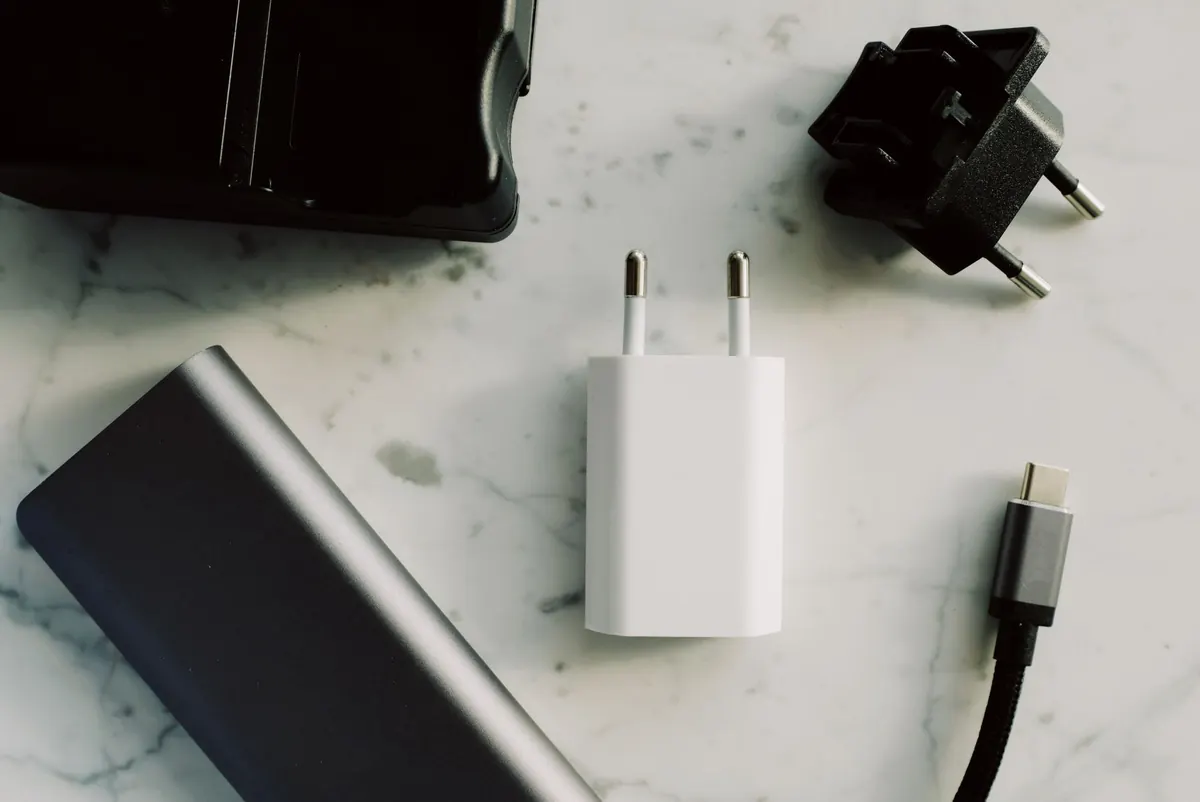
A smart plug sits between the socket and the appliance and asks nothing of your walls. The trick is choosing the right appliance. Anything with a mechanical switch — a filter coffee machine, a slow cooker, a rice cooker, a kettle with a flip switch — will start when the plug restores power. Anything with a touch panel that needs a finger press will sit there doing nothing. Test it once before you build a morning routine around it.
Two sensible habits: name each plug in the app after the appliance rather than "Plug 2", and avoid putting smart plugs on high-draw appliances such as microwaves or anything that heats for long periods. Keep them clear of the sink splash zone, and in older buildings plug one appliance per socket rather than stacking adaptors.
If your rental has two elderly rings and an oven that heats unevenly, a portable induction plate is a serious upgrade. It gives fast, precise heat, produces no flame, and stores upright in a cupboard when you need the counter back. You will probably need induction-compatible pans — test yours with a magnet, which should stick firmly to the base.
The one genuinely useful rule here is about clearance. Air fryers, multi-cookers and induction plates all push out heat or steam. Don't park them directly under a wall cabinet with their vent aimed at the underside, and don't tuck them into a corner where the cable has to bend sharply. Leave a hand's width of breathing room on all sides and the appliance will last longer.
Small kitchens fail on storage long before they fail on appliances. These are the renter-friendly fixes that pull their weight, none of which require a screw:
Adhesive hooks are fine, with one caveat: use half the weight rating printed on the packet. Ratings assume a perfect surface, room temperature, and no one slamming the cupboard below. Grease, steam and time all reduce the real number.
A water leak sensor under the sink costs very little and can save you a conversation with the tenant below. Put one behind the washing machine too, if you have one. A fridge thermometer takes the guesswork out of whether the door seal is failing. A Bluetooth meat thermometer is genuinely useful in a small oven with uneven heat.
If you're tempted by smart smoke or carbon monoxide alarms, check first. Many buildings require hard-wired, interconnected alarms, and swapping one out can create a safety problem as well as a lease one. Ask the landlord before touching anything mounted on the ceiling.
Adhesive tile looks convincing in photographs and behaves differently in a working kitchen. Behind a hob, heat and grease will test any adhesive within weeks. On painted walls, the backing can lift paint when you remove it — which is the opposite of renter-friendly. Test a single tile in a hidden corner for a week before committing to a whole splashback, and keep the leftovers for repairs.
Also watch clearances. Don't let a new shelf, panel or appliance block the gap behind the fridge or cover a vent. Appliances that can't shed heat work harder and fail sooner, and that's a repair bill you can't blame on the building.
Work in this order and you'll avoid the usual mistakes:
Keep the receipts and photograph the walls and cabinets before you stick anything up. If you do need to remove an adhesive strip later, warm it gently with a hairdryer and slide dental floss behind the foam rather than pulling — then lift any residue with isopropyl alcohol or a citrus-based adhesive remover, testing on a hidden patch first. None of this equipment is dramatic. It just quietly removes the small daily frictions, which is what a smart kitchen is actually for.
Photo: Pew Nguyen / Pexels
Previous Post
Summer Energy-Saving Smart Home Checklist for Hot Apartments
Next Post
How to Build a Two-Minute Reset Routine Between Meetings